Reflecting AOSK Strategic Plan: Inside the May Evaluation Meeting
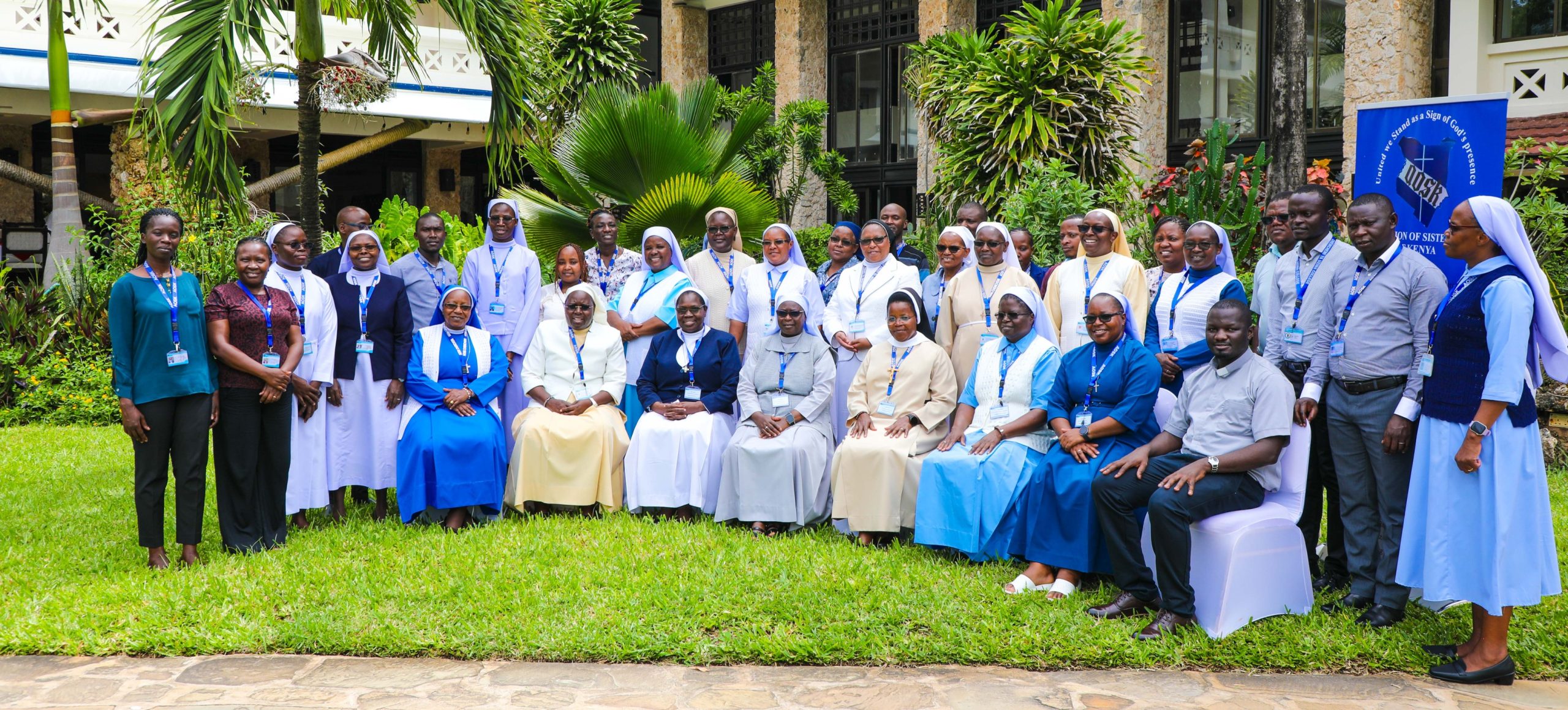
Following the weeklong Strategic Evaluation Meeting, the Association of Sisterhoods of Kenya
(AOSK) concluded an intensive reflection process on the implementation of its Strategic Plan
2023–2027, bringing together members of the Board, management, program managers, program
officers, staff, and representatives from various departments and target groups.
The evaluation meeting provided a critical platform to assess achievements made so far, identify
existing gaps, reflect on lessons learnt, and propose practical recommendations that will guide
the final phase of the current strategic plan and inform the development of the next one.
With the current strategic plan now estimated at 95 percent implementation, discussions
throughout the meeting focused on strengthening institutional sustainability, improving
effectiveness in programming, enhancing collaboration, and ensuring that AOSK continues
responding meaningfully to the evolving needs of communities and member congregations.
Reflecting on Impact and Accountability
Opening the evaluation meeting, AOSK Executive Secretary Sr. Pasilisa Namikoye, LSOSF,
called on participants to engage openly and intentionally in the process.
“We are here to look at our effectiveness in our programming, how we have done it, and how
each one of us in our own small way has contributed,” she said.
She challenged participants to reflect beyond routine activities and consider the real impact of
their work on communities and beneficiaries.
“Are we just going to the field and coming back? How are we contributing towards those
beneficiaries?” she posed.
The discussions centred on AOSK’s strategic priorities, including membership growth and
satisfaction, enhanced community outreach, institutional capacity building, education, and
sustainability.
Participants emphasized that institutional growth must be measured not only through activities
implemented, but also through meaningful transformation in communities, stronger partnerships,
and long-term organizational resilience.
Rethinking Sustainability
One of the major themes emerging from the meeting was sustainability, with leaders stressing
that sustainability goes beyond financial resources alone.
The conversations explored how programs, systems, leadership structures, partnerships, and
institutional culture can be strengthened to secure the future of the Association and its
institutions.
Particular focus was also placed on Chemichemi ya Uzima College as it continues laying the
groundwork towards greater institutional sustainability and operational independence.
Participants reflected on the institution’s growing international profile, with students drawn from
countries across Africa, Asia, Europe, and North America.
Sr. Pasilisa highlighted the need to cultivate a strong identity and welcoming culture within the
institution. “We need to have a culture that is going to help these students know that
Chemichemi is home, that they can go back to their countries and become ambassadors,” she
noted.
The discussions also highlighted the need for stronger systems, strategic partnerships, innovation
in program delivery, and investment in long-term institutional development.
A Shift Towards Participatory Evaluation
The evaluation process itself was identified as one of the major successes of the meeting.
Unlike previous approaches largely centred on presentations and reports, this year’s evaluation
adopted panel discussions and group engagements that encouraged active participation, peer
learning, and open dialogue.
According to AOSK Chairperson Sr. Josephine Kangogo,DSH the approach created space for
more meaningful engagement and critical reflection.
“This time we had a different way of evaluating the strategic plan. The panel approach and group
discussions were thought provoking,” she said.
She described the process as rigorous, engaging, and fruitful, noting that participants were
challenged to think differently and contribute more openly to institutional discussions.
“Unless strategy evaluation is performed seriously and systematically, energy will be used up
defending yesterday,” she said, quoting management thinker Peter Drucker.
Participants acknowledged that while the process was demanding, it created valuable
opportunities for learning, honest feedback, and collaborative problem solving.
Key Recommendations from the Meeting
The discussions and reflections throughout the week underscored the need for AOSK to
strengthen its monitoring and evaluation systems in order to better measure impact, track
progress, and improve decision making across programs and departments. Participants also
emphasized the importance of enhancing communication and collaboration within the institution
to ensure greater coordination, efficiency, and shared ownership of the Association’s mission and
objectives.There were strong calls for faster implementation of resolutions and strategic actions arising
from evaluations and consultations, with participants noting that discussions must consistently
translate into visible and measurable outcomes. The meeting further highlighted the importance
of investing in institutional capacity building, strengthening partnerships, and promoting
innovation and adaptability in program implementation to respond effectively to emerging
realities and community needs.
Sustainability remained a recurring theme throughout the discussions, with leaders and
participants stressing the importance of developing stronger systems, diversified partnerships,
and long-term institutional strategies capable of securing the future of AOSK and its institutions,
including Chemichemi ya Uzima College.
What’s the Way Forward?
In the closing session, the leadership of AOSK appreciated the openness, commitment, and
active participation demonstrated throughout the meeting.
Sr. Pasilisa thanked participants for their contribution and reaffirmed the commitment to
continue strengthening the Association and advancing its mission through teamwork and shared
responsibility.
For stakeholders, partners, and donors, the evaluation reaffirmed AOSK’s commitment to
accountability, transparency, continuous improvement, and mission-driven service.
As the Strategic Plan 2023–2027 approaches its conclusion, attention is gradually shifting
towards the development of a new strategic framework that will build on lessons learnt,
emerging opportunities, and changing societal realities.
The Mombasa meeting therefore marked more than the evaluation of a strategic document. It
became a moment of institutional reflection, renewed collaboration, and collective commitment
towards shaping a stronger, more sustainable, and impactful future for AOSK and the
communities it serves.